Material vocabulary
Names that describe more than appearance
Earthenware, stoneware and porcelain are useful categories, but a white vessel is not automatically porcelain. Descriptions become more reliable when appearance is read alongside a documented material identification.
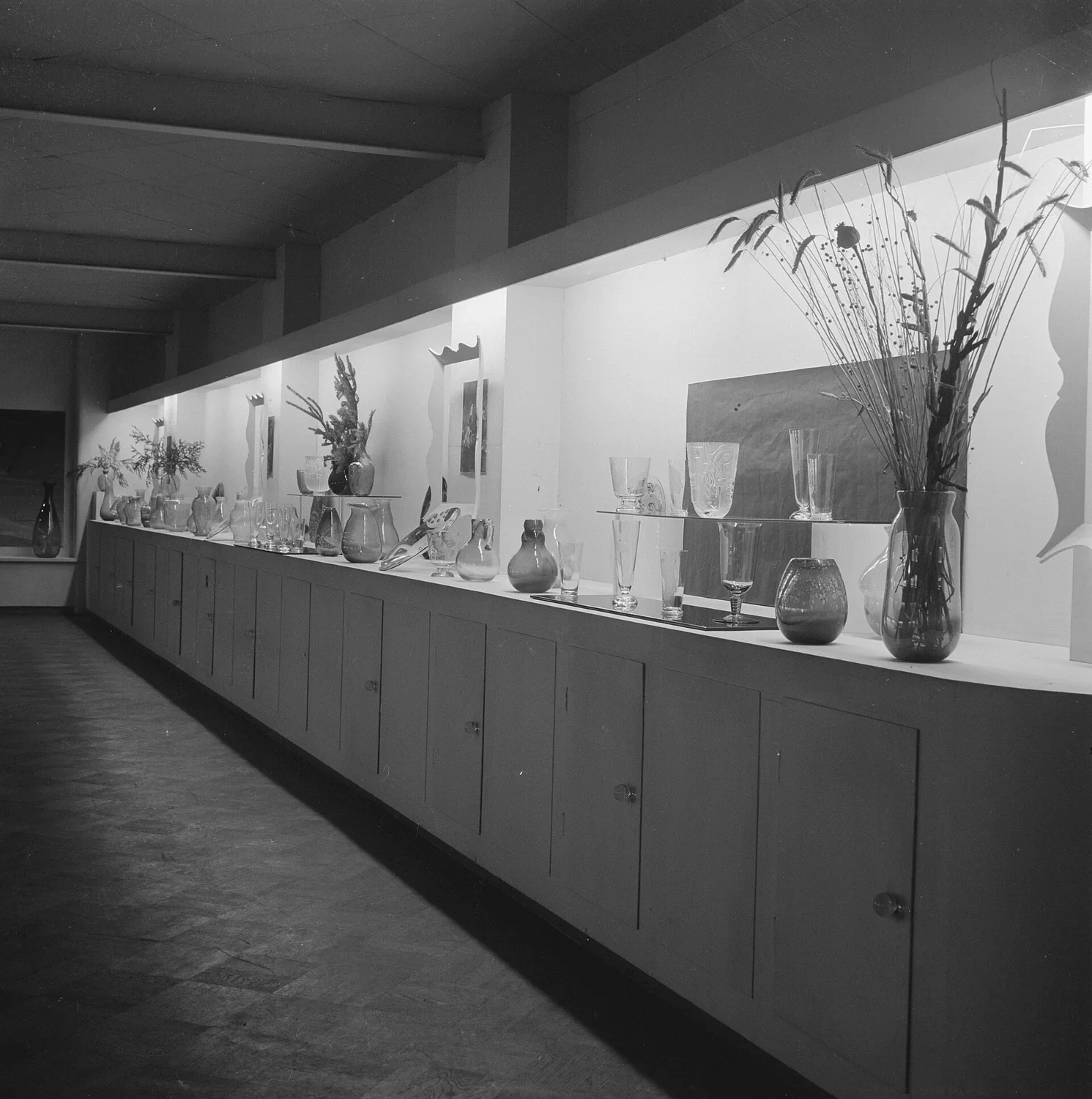
Categories are not a colour chart
Ceramic bodies differ in ingredients, firing and the resulting porosity. The Gardiner Museum describes porcelain through its composition and the changes produced by firing, rather than simply through whiteness. A surface coating can obscure a body; an opaque glaze can make different materials look alike. Museum records are therefore a better starting point than an identification made from a thumbnail.
A Canadian collection, an international history
Toronto’s Gardiner Museum uses ceramics to explore histories that cross regions and periods. Its Chinese and Japanese ceramics pages show how materials, objects and decorative ideas travelled. A Canadian museum’s collection should not be mistaken for a collection made entirely in Canada. Place of manufacture, place of collection and present location are different pieces of information.
Keep the description proportionate
For a first reading, quote a short material label in your notes and link its catalogue record. Do not convert an uncertain catalogue attribution into a definite claim. If the record says “probably” or provides a date range, retain that uncertainty. A useful description helps another reader locate the same evidence instead of sounding more certain than its source.
Read the primary sources
The explanation above is independently written. Sources support the factual foundations; examples and learning prompts are this publication’s own.